Surfboard Wax Maintenance: Dewaxing and Cleaning Guide
Remove old surf wax from your surfboard in minutes. Our easy guide covers wax combs, heat methods, and cleaning tips. From Sticky Johnson, NZ surf experts.
- 3 min read
- 2 chapters
- 3 FAQs
- Updated 18 Oct 2026

In this guide
When Should You Remove Your Surf Wax?
Remove your wax when the colour turns grey, brown, or black due to dirt, algae, or wetsuit dye. When bumps flatten out and grip feels slippery, it's time for a full strip.
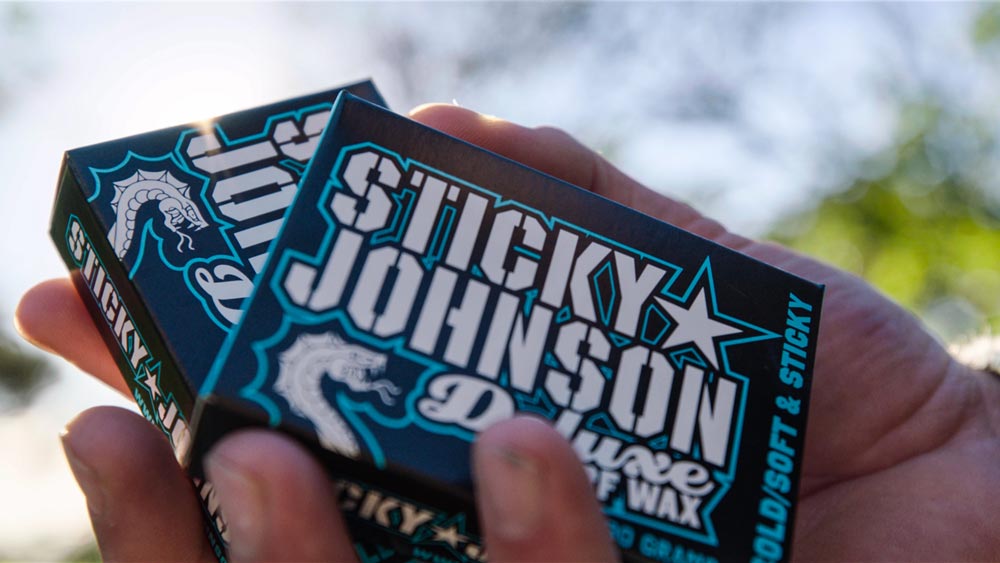
Water temps change every few months, so your wax should too. Regular surfers should be switching formulas every 2–3 months to match the conditions. We engineer and rigorously test every formula to bind perfectly and deliver traction in its specific temperature range. Dewaxing your board and laying down a fresh basecoat with the right temp wax for where you're surfing isn't just recommended — it's how you get the grip and performance the wax is designed to deliver.
Tools You'll Need
Keep it simple and do it right. You'll need:
- Sticky Johnson Wax Comb (scraper edge is key)
- Soft cloth or old towel
- Sticky Johnson Wax Remover (our citrus-based formula handles stubborn residue and brings back that shine)
Step-by-Step Wax Removal
1. Soften the Wax (Optional but Helpful)
Leave your board in direct sunlight for 2–5 minutes, deck side up. This makes the wax more pliable and easier to scrape. Warning: Don't leave it too long — overheating can delaminate the fibreglass. You just want the wax soft, not melted.
2. Scrape It Off
Use the scraper edge of your wax comb at a low angle and push in long strokes from nose to tail. Scrape the removed wax into a pile for easy disposal.
3. Remove the Residue
Apply Sticky Johnson Wax Remover to tackle the leftover film, then wipe down the deck with a cloth.
4. Full Board Wipe Down
For good measure (and faster surfing), wipe down the entire board — rails, deck, and bottom — with Sticky Johnson Wax Remover. Make sure you get into any pressure dings where grime hides.
5. Inspect for Damage
Now that your board is clean, check for dings, cracks, or damage. This is the best time to spot small issues that were hidden under the wax.
Tips for a Cleaner Job
- Work in the shade after the initial softening — direct heat during scraping can smear wax deeper into the surface.
- Dispose of old wax properly — collect your wax scraps and bin them. Don't leave them on the beach.
How to Keep Your Wax Cleaner for Longer
- Store your board out of direct sunlight and heat to prevent wax from melting and collecting dirt.
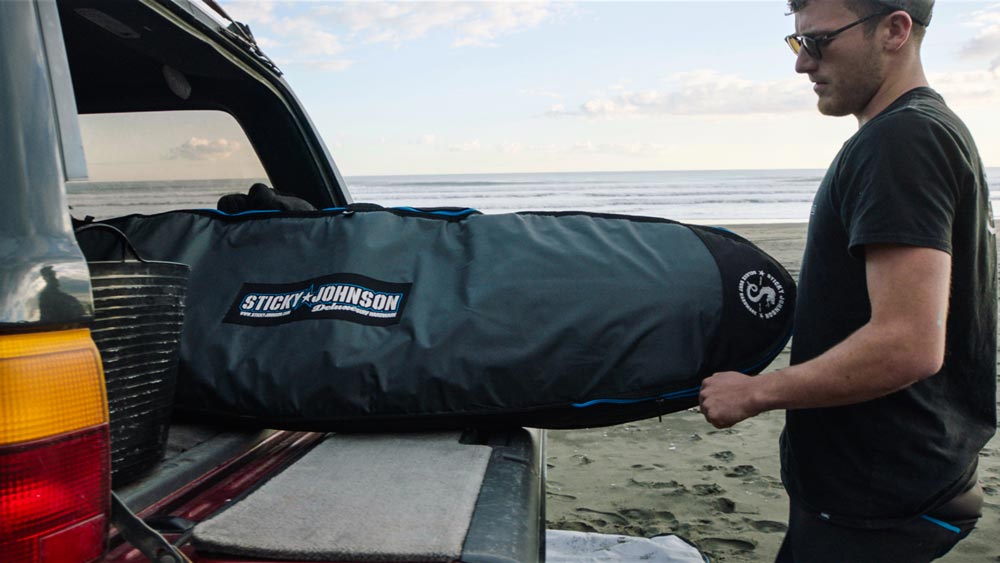
- Use a board sock or bag when transporting to keep your deck clean.
- Scrub your feet on rocks or the cuff of your leash before standing up to keep grime off your wax.
Pro Tip: Work Your Feet In
Out the back before your first wave, work your feet into the wax a few times. This puts our tackifier residue on your feet, so when you pop up for the first time, you're locked in and ready to rip! 🤙
Clean board, fresh wax, maximum grip. That's the Sticky Johnson way.
Frequently asked questions
Can I use a credit card or plastic scraper instead of a wax comb?
Does the flour trick actually work for removing surf wax?
How do I remove wax from a soft-top board?
Gear for this guide

Citrus Surf Wax Remover
Natural citrus based solvent wax remover. Great for cleaning wax off boards and making them look like new!
Also useful for removing any type of adhesive, including deck grip adhesive! Spray on generously and allow the product to penetrate the adhesive for at least 1 minute. Then, remove it with a wax comb or paper towels.
120ml

Sticky Johnson Deluxe Basecoat
Designed to create super tight, solid beads of surfboard wax, making the perfect basecoat to any Sticky Johnson top coat surfboard wax

Sticky Johnson Deluxe Surf Wax - Cool
Sticky Johnson Deluxe Cool surfboard wax is designed to be longlasting and super grippy wax that beads nicely upon application, keeping you stuck to your stick all session long.

Sticky Johnson Deluxe Surf Wax - Tropical
Sticky Johnson Deluxe Tropical surfboard wax is designed to be longlasting and super grippy wax that beads nicely upon application, keeping you stuck to your stick all session long.
- Suitable for Tropical water temps above 24°C (75°F)
- Suitable for your next tropical session
- Hand crafted in New Zealand
- Made from natural ingredients
- Works with Sticky Johnson basecoat

Sticky Johnson Deluxe Surf Wax - Warm
Sticky Johnson Deluxe Warm surfboard wax is designed to be longlasting and super grippy wax that beads nicely upon application, keeping you stuck to your stick all session long.