Surfing New Zealand: Water Temperatures, Wax Guide & Best Surf Regions
Your complete guide to surfing New Zealand. Water temps by region and season, which wax to use, best surf spots, and what gear you need. Sticky Johnson NZ.
- 3 min read
- 7 chapters
- 2 FAQs
- Updated 18 Oct 2026

In this guide
NZ Water Temperature by Region and Season
North Island
- Northland (Shipwreck Bay, Ahipara): Summer 19–21°C, Winter 15–17°C
- Auckland (Piha, Muriwai): Summer 18–21°C, Winter 15–16°C
- Waikato (Raglan): Summer 18–21°C, Winter 14–16°C
- Bay of Plenty (Mount Maunganui): Summer 19–21°C, Winter 15–17°C
- Taranaki (New Plymouth): Summer 17–20°C, Winter 13–15°C
- Wellington (Lyall Bay): Summer 15–17°C, Winter 12–13°C
South Island
- Kaikoura: Summer 15–18°C, Winter 10–13°C
- Canterbury (Sumner): Summer 14–16°C, Winter 10–11°C
- Dunedin (St Clair): Summer 13–14°C, Winter 9–10°C
- Southland (Riverton): Summer 12–15°C, Winter 7–10°C
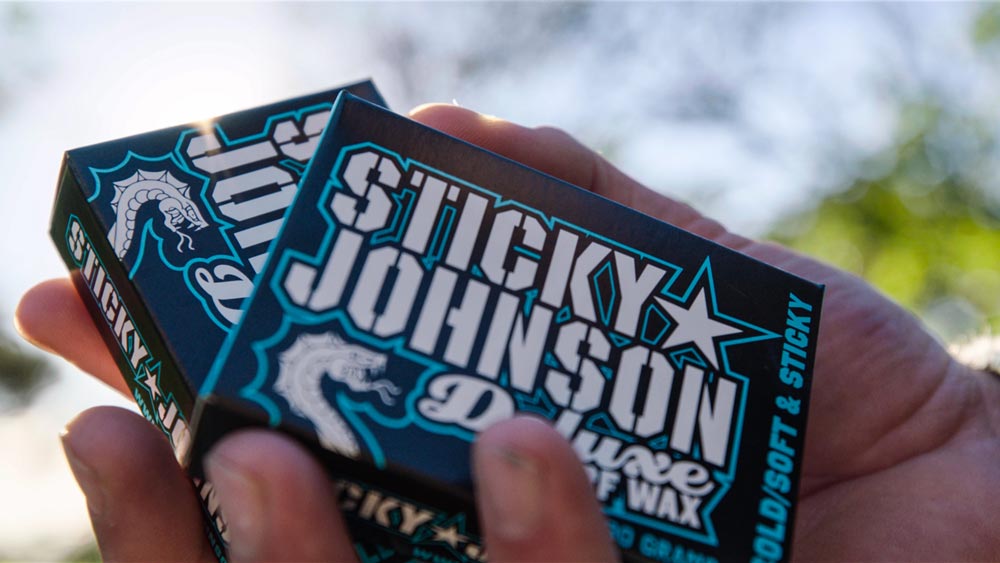
Which Sticky Johnson Wax to Use in NZ
- Northland and Bay of Plenty: Warm wax from about January to April (water 20–21°C), Cool the rest of the year.
- Auckland west coast and Raglan: Warm wax from January to March (20–21°C), Cool the rest of the year.
- Wellington summer: Cool wax (15–17°C).
- North Island winter: Cool wax holds in Northland, Auckland and the Bay of Plenty (about 15–17°C); switch to Cold wax for Taranaki, Wellington and other spots below 15°C.
- South Island: Cold wax for most of the year. Christchurch reaches Cool (15–16°C) in mid-summer; Dunedin stays Cold all year.
Carry both Cool and Cold wax in your board bag for NZ trips — conditions change quickly.
Wetsuit Thickness Guide for NZ
- Northland Summer: 2mm spring suit or 3/2mm.
- Central North Island Summer: 3/2mm.
- South Island Summer: 3/2mm to 4/3mm.
- North Island Winter: 4/3mm + boots.
- South Island Winter: 5/4mm + boots + gloves + hood.
NZ's Must-Surf Regions
- Raglan: NZ's most famous wave. Long left-hand point breaks. Best in autumn and winter for size, summer for learners.
- Piha: Birthplace of NZ surfing. Punchy beach break, 45 minutes from Auckland CBD.
- Taranaki: Over 80 surf spots within an hour's drive along Surf Highway 45. Consistent and less crowded.
- Mount Maunganui: Consistent beach breaks, warmer water, vibrant surf community. Great for beginners.
- Dunedin: Cold water, empty lineups, powerful breaks. Serious wetsuit required but incredibly rewarding.
- Kaikoura: Quality reefs and points with mountain backdrops. Uncrowded.
Planning Your NZ Surf Trip
West coast picks up more consistent swell from Tasman Sea storms — best in winter and autumn. East coast fires during cyclone season (November–March). Always check swell direction, period, wind, and tide before driving. Respect local surf etiquette — NZ lineups are community-driven.
Frequently asked questions
What is the warmest water for surfing in NZ?
What is the best time of year to visit NZ for a surf trip?